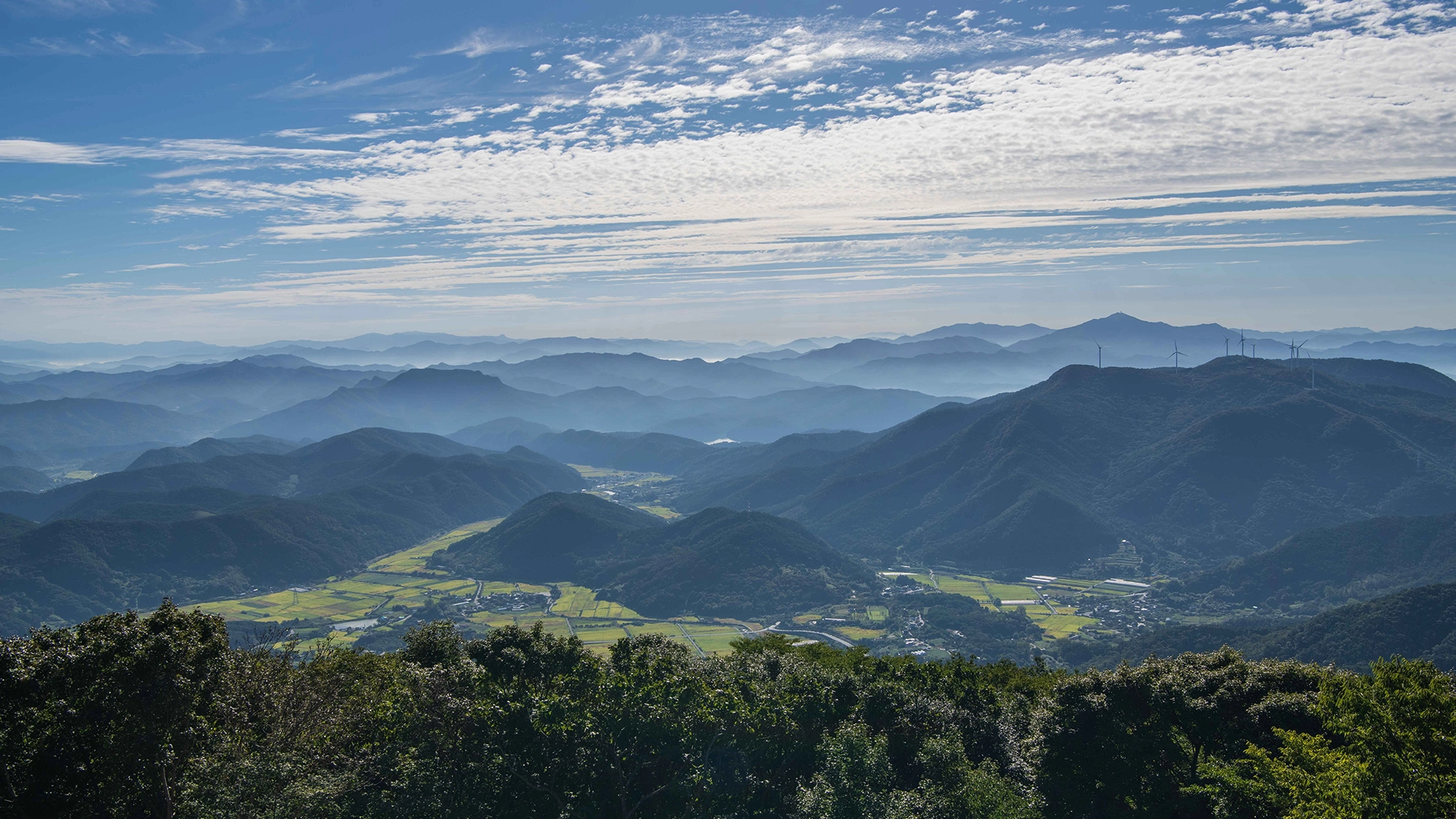
Area Attractions


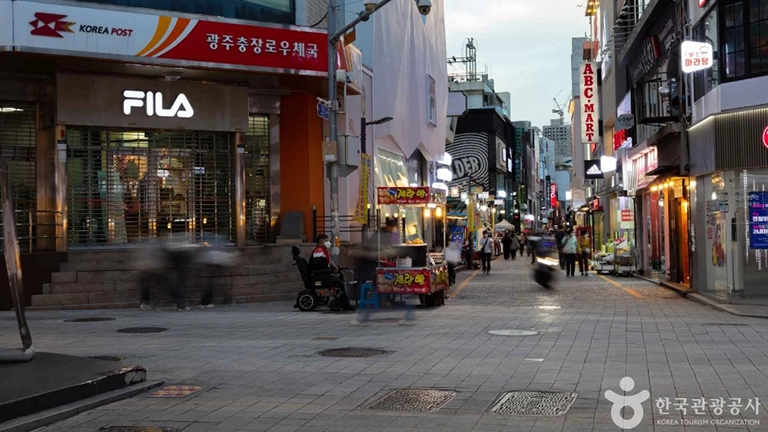
Chungjang-ro
If Seoul has Myeongdong, Gwangju has Chungjang-ro. Despite the emergence of popular new and bustling districts throughout the expanding city, Chungjang-ro remains the central hub of Gwangju. Chungjang-ro was the main north-south thoroughfare connecting the South Gate and North Gate during the walled town era and was called ""inner city"" because it was inside the fortress.
Since 2004, the nostalgic Chungjang Festival, which celebrates the distinctive character of Chungjang-ro, Gwangju's most iconic bustling street, has been held every October. The highlight of the festival is the Chungjang World Parade. It features parades by 13 districts of Gwangju, which all participate with various themes. Numerous other parades take place, including competition parades, movie-themed parades, and Asian country parades, which run continuously throughout the event.
Additionally, nostalgic themed streets are set up to recreate the atmosphere of Chungjang-ro in the 1970s and 80s. People of all ages, including Gen Z, can enjoy exciting retro experiences like having tea in old-style cafés or posing for black-and-white portraits at vintage photo studios. The festival embodies a spirit of playfulness, escapism, and community solidarity, reflecting the essence of Chungjang-ro itself.
[Source - Korea Tourism Organization:https://korean.visitkorea.or.kr/main/main.do]
Since 2004, the nostalgic Chungjang Festival, which celebrates the distinctive character of Chungjang-ro, Gwangju's most iconic bustling street, has been held every October. The highlight of the festival is the Chungjang World Parade. It features parades by 13 districts of Gwangju, which all participate with various themes. Numerous other parades take place, including competition parades, movie-themed parades, and Asian country parades, which run continuously throughout the event.
Additionally, nostalgic themed streets are set up to recreate the atmosphere of Chungjang-ro in the 1970s and 80s. People of all ages, including Gen Z, can enjoy exciting retro experiences like having tea in old-style cafés or posing for black-and-white portraits at vintage photo studios. The festival embodies a spirit of playfulness, escapism, and community solidarity, reflecting the essence of Chungjang-ro itself.
[Source - Korea Tourism Organization:https://korean.visitkorea.or.kr/main/main.do]
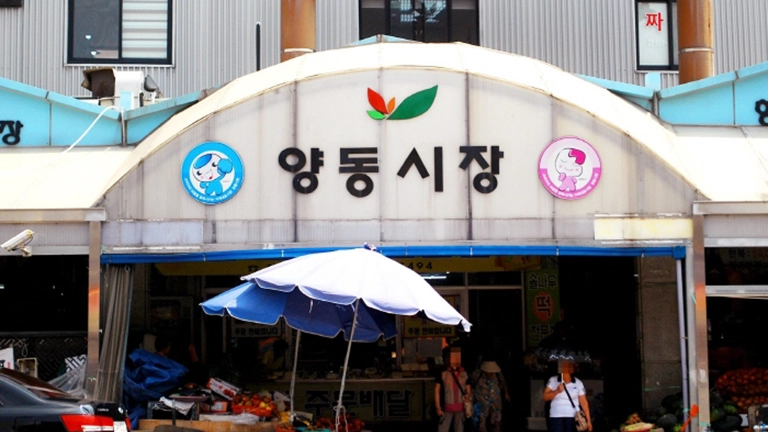
Yangdong Market, Gwangju
Yangdong Market is a traditional marketplace located in Seo-gu, Gwangju, and is the largest in Jeollanam-do. The market's origins trace back to the 1910s, when markets were held on the 2nd and 7th of each month on the sandy beach under Gwangjugyo Bridge. Yangdong Market is known as the symbol of generous hearts, with diverse goods piled high, including abundant food, and earning the nicknames ""Open-Handed Market”, and “Gwangju's Kitchen"" among Gwangju residents.
[Source - Korea Tourism Organization:https://korean.visitkorea.or.kr/main/main.do]
[Source - Korea Tourism Organization:https://korean.visitkorea.or.kr/main/main.do]
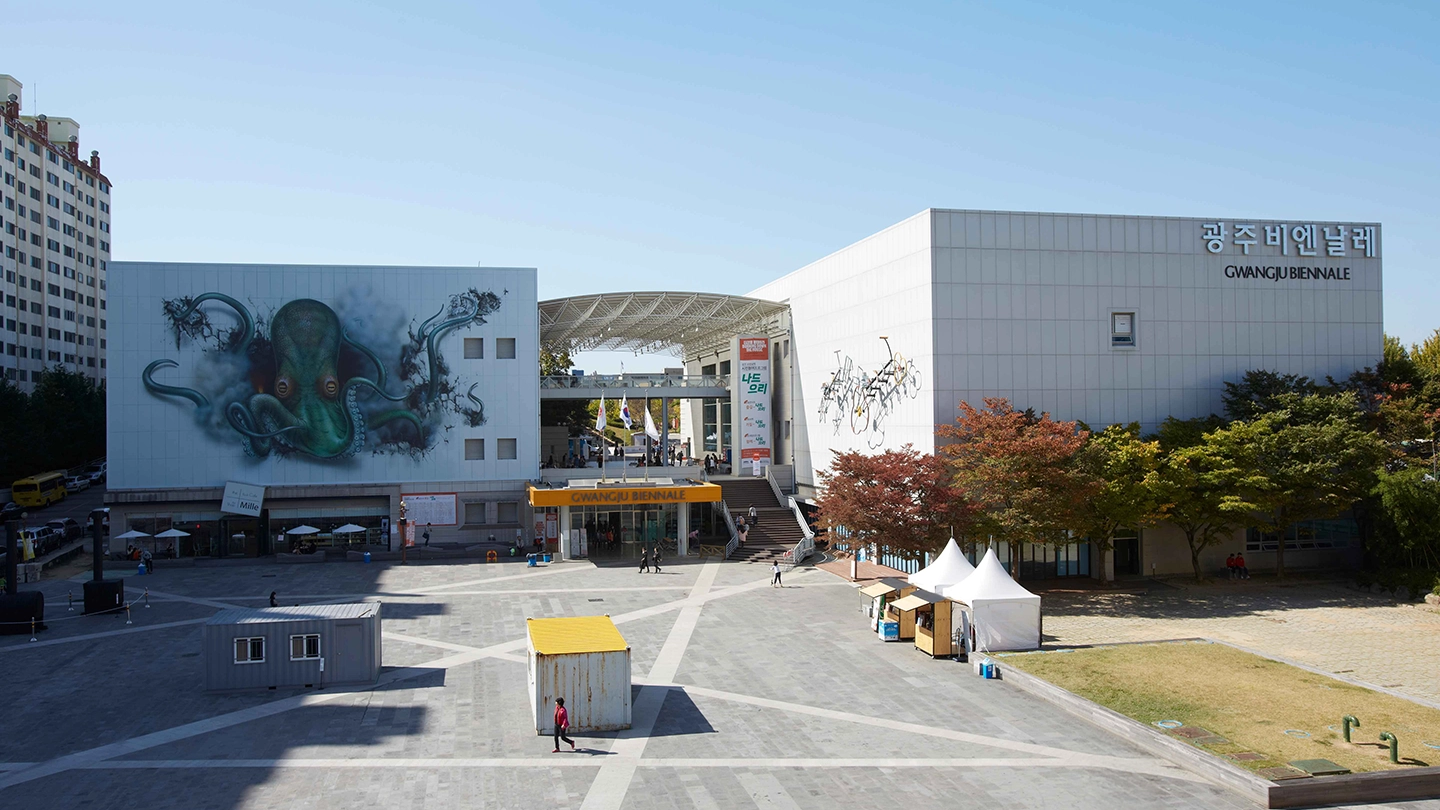
Gwangju Biennale Exhibition Hall
Since its establishment in 1994, the Gwangju Biennale Exhibition Hall has hosted numerous exhibitions, making significant contributions to Korean and global art culture. The Biennale strives to bring joy and vital energy to people’s lives while serving as a gateway for Korean artists to step onto the world stage. The exhibition doesn't end as a one-time event but continuously makes a variety of efforts to become a sustainable platform that enhances the regional value of Gwangju as the home of the Biennale. In response to the COVID-19 pandemic it also provides online access, allowing citizens unable to visit in person to experience the unique services provided by the exhibition. During the Gwangju Design Biennale exhibition periods, various events, exhibitions, and hands-on experience programs take place. These include the main exhibitions, special exhibitions, as well as international academic events.
Source - Korea Tourism Organization:https://korean.visitkorea.or.kr/main/main.do
Image Source - ⓒKorea Tourism Organization Photo Korea-Modelro Agency
Source - Korea Tourism Organization:https://korean.visitkorea.or.kr/main/main.do
Image Source - ⓒKorea Tourism Organization Photo Korea-Modelro Agency
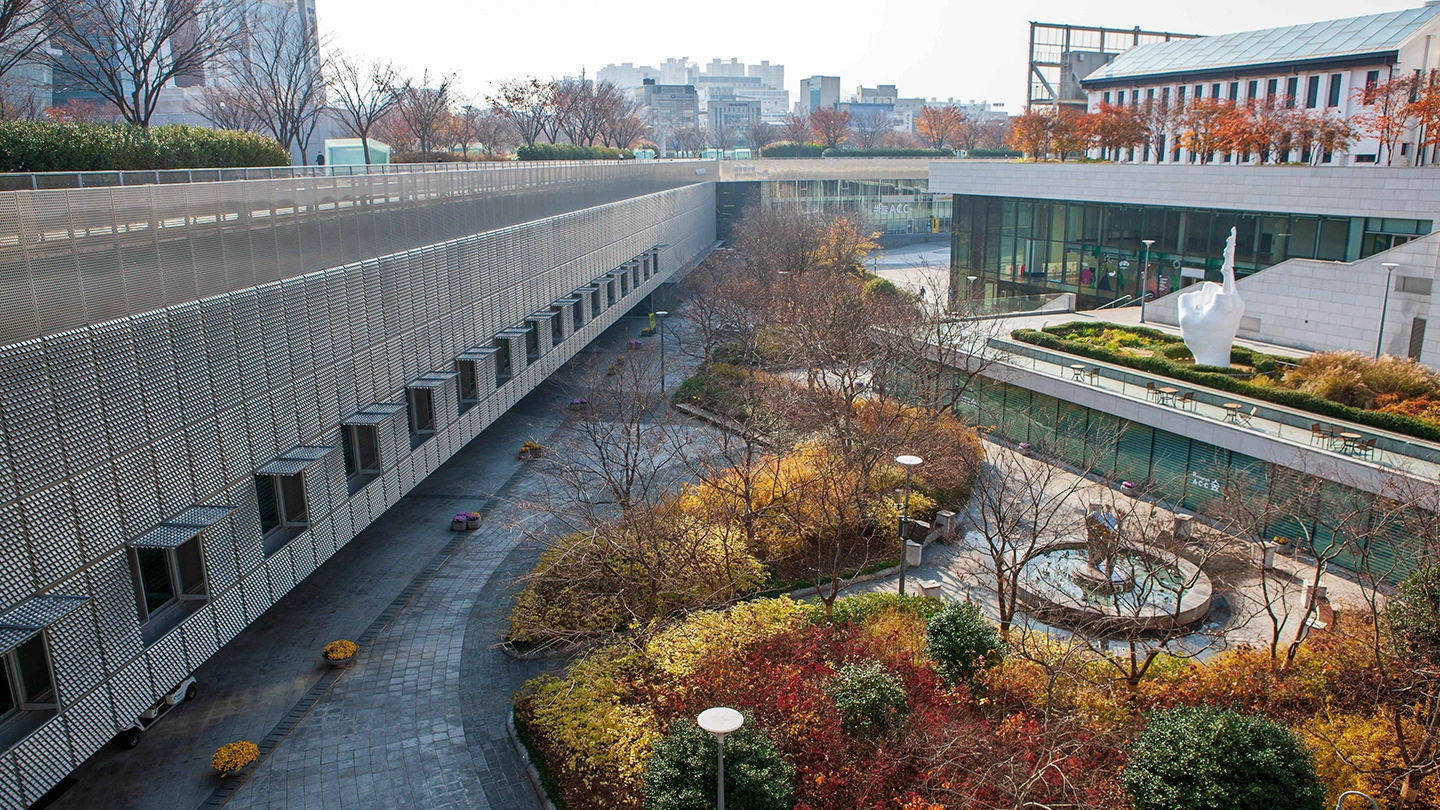
Asia Culture Center (ACC)
ACC is an international arts institution and cultural exchange organization where the past and present of Asian cultures meet with innovative ideas and beliefs to produce new, forward-looking developments. Starting from the artistic interpretation of the human rights and peace values of the May 18 Democratic Movement, ACC opened in November 2015 as an affiliated institution of the Ministry of Culture, Sports and Tourism. It was established to promote mutual understanding and cooperative growth with other Asian countries through cultural exchange, education, and research. ACC serves as an integrated platform where participants from Asia and around the world can freely cooperate and share ideas across borders, while collaborating in the stages of research, creation, and production. ACC consists of five centers: Democracy and Peace Exchange Center, Cultural Information Center, Culture Creation Center, Arts Theater, and Children's Culture Center. They each host diverse and dynamic programs (exhibitions, performances, educational programs, festivals, and other events) throughout the year. ACC also features outdoor spaces, including Asia Culture Plaza, Sky Garden, and Open Yard, along with a ground-level garden with the theme Forest of Light. All of these spaces are ideal for relaxing in the city center.
Source - Asia Culture Center:https://www.acc.go.kr/main/index.do
Image Source - ⓒKorea Tourism Organization Photo Korea-Song Jae Geun
Source - Asia Culture Center:https://www.acc.go.kr/main/index.do
Image Source - ⓒKorea Tourism Organization Photo Korea-Song Jae Geun
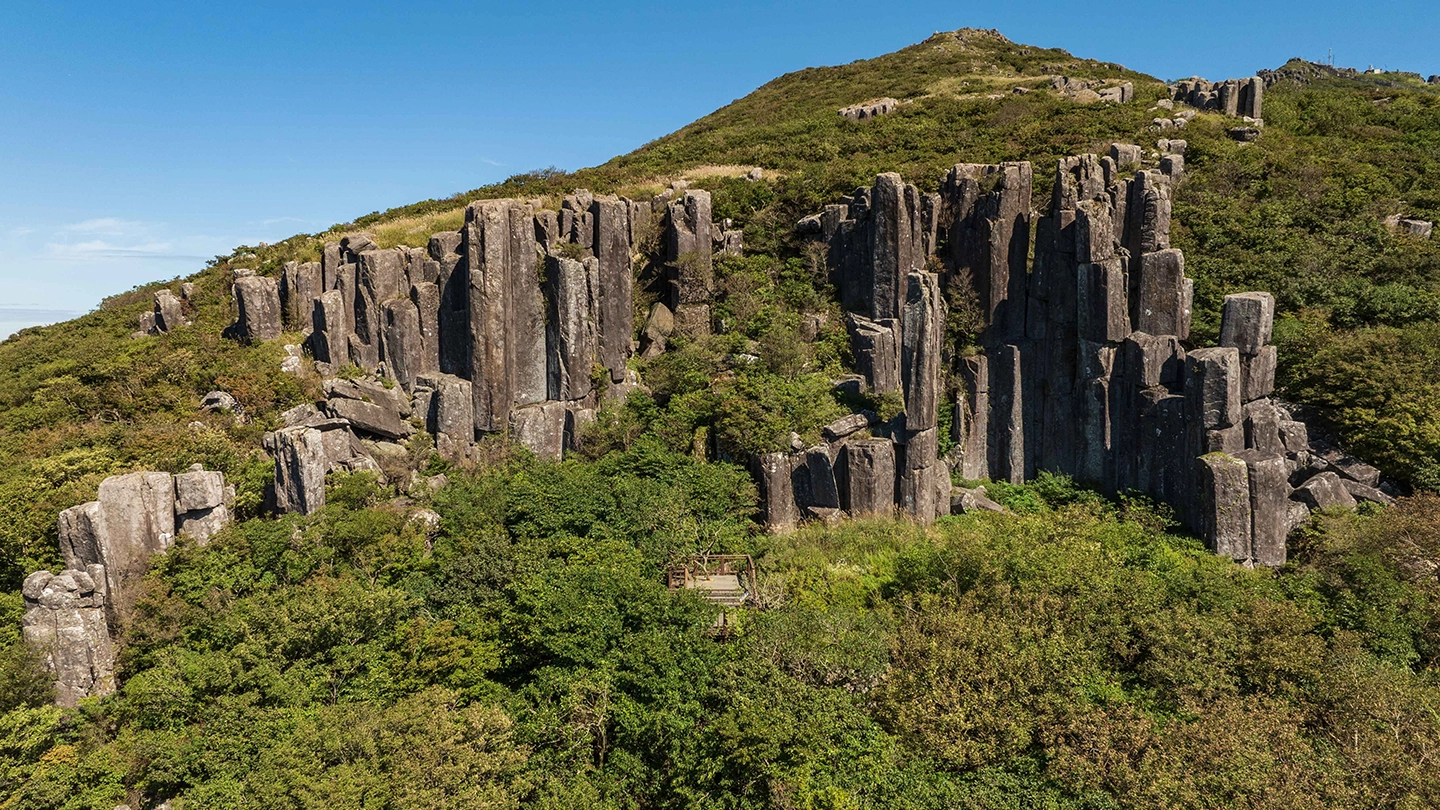
Mudeungsan National Park
Designated as a national geopark and UNESCO Global Geopark, Mudeungsan National Park covers 75.425 ㎢ with an elevation of 1,187 meters, spanning across Gwangju, Damyang, and Hwasun.
The park boasts 61 natural scenic landmarks, including the hexagonal-shaped rocks known as Seoseokdae and Ipseokdae, and other distinctive rock formations.
Mudeungsan National Park embraces everything Gwangju represents - the hexagonal-shaped rock columns called ""God's Stone Columns,"" the thousand-year-old temple Jeungsimsa (Gwangju Cultural Heritage No. 1), the Gasa Literary Culture Region filled with the essence of the Joseon Dynasty Gasa literature, the Umlim-dong Art Museum where the soul of arts and culture resides, and Wonhyosa Temple, nestling in the mountains of Wonhyo Valley. The park, located in downtown Gwangju, attracts countless visitors throughout all of the seasons.
Source - O! My Gwangju Tourism:https://tour.gwangju.go.kr/home/main.cs
Image Source - ⓒKorea Tourism Organization Photo Korea-Geun Han Bae
The park boasts 61 natural scenic landmarks, including the hexagonal-shaped rocks known as Seoseokdae and Ipseokdae, and other distinctive rock formations.
Mudeungsan National Park embraces everything Gwangju represents - the hexagonal-shaped rock columns called ""God's Stone Columns,"" the thousand-year-old temple Jeungsimsa (Gwangju Cultural Heritage No. 1), the Gasa Literary Culture Region filled with the essence of the Joseon Dynasty Gasa literature, the Umlim-dong Art Museum where the soul of arts and culture resides, and Wonhyosa Temple, nestling in the mountains of Wonhyo Valley. The park, located in downtown Gwangju, attracts countless visitors throughout all of the seasons.
Source - O! My Gwangju Tourism:https://tour.gwangju.go.kr/home/main.cs
Image Source - ⓒKorea Tourism Organization Photo Korea-Geun Han Bae