1/2
Selection
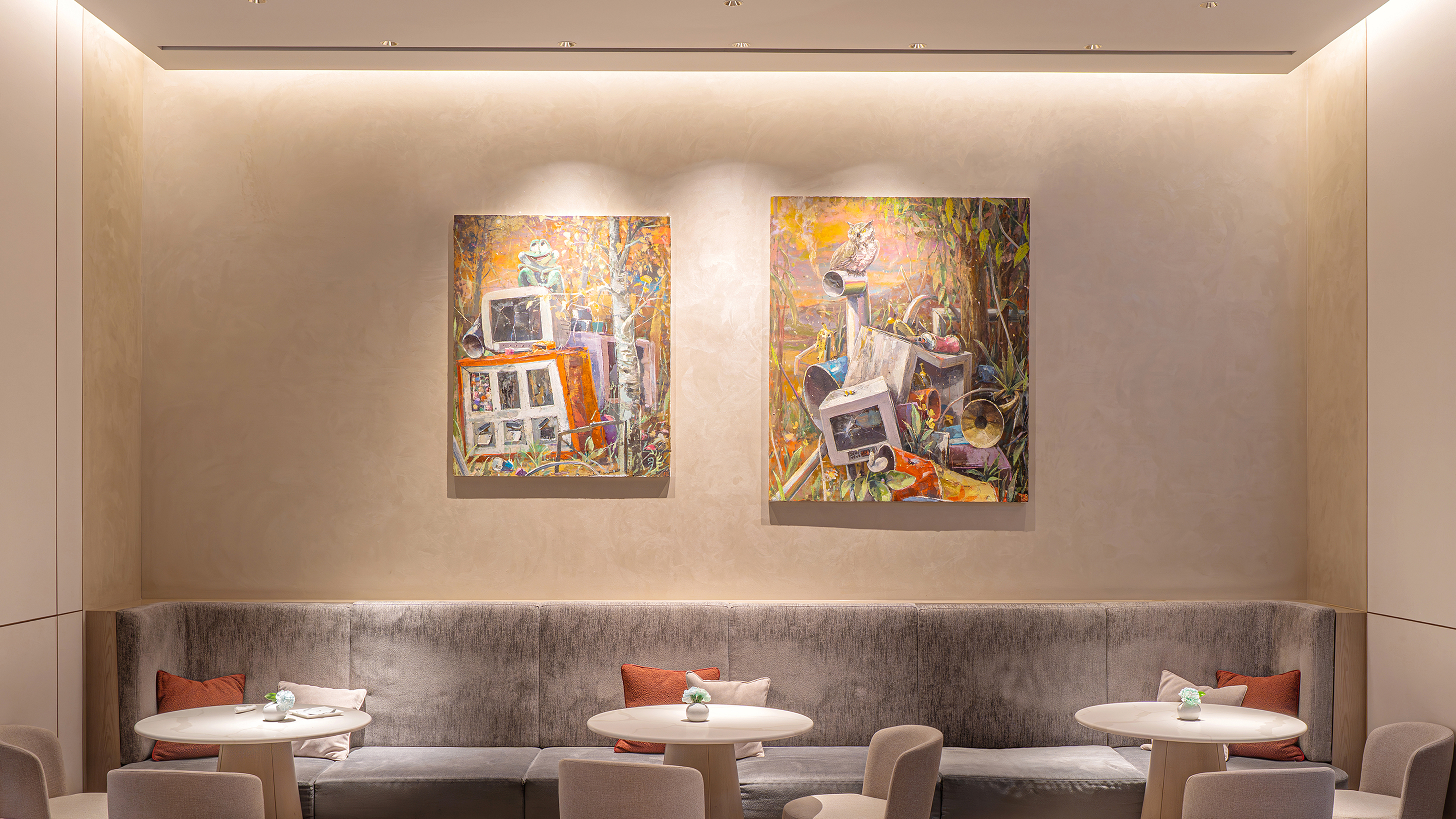
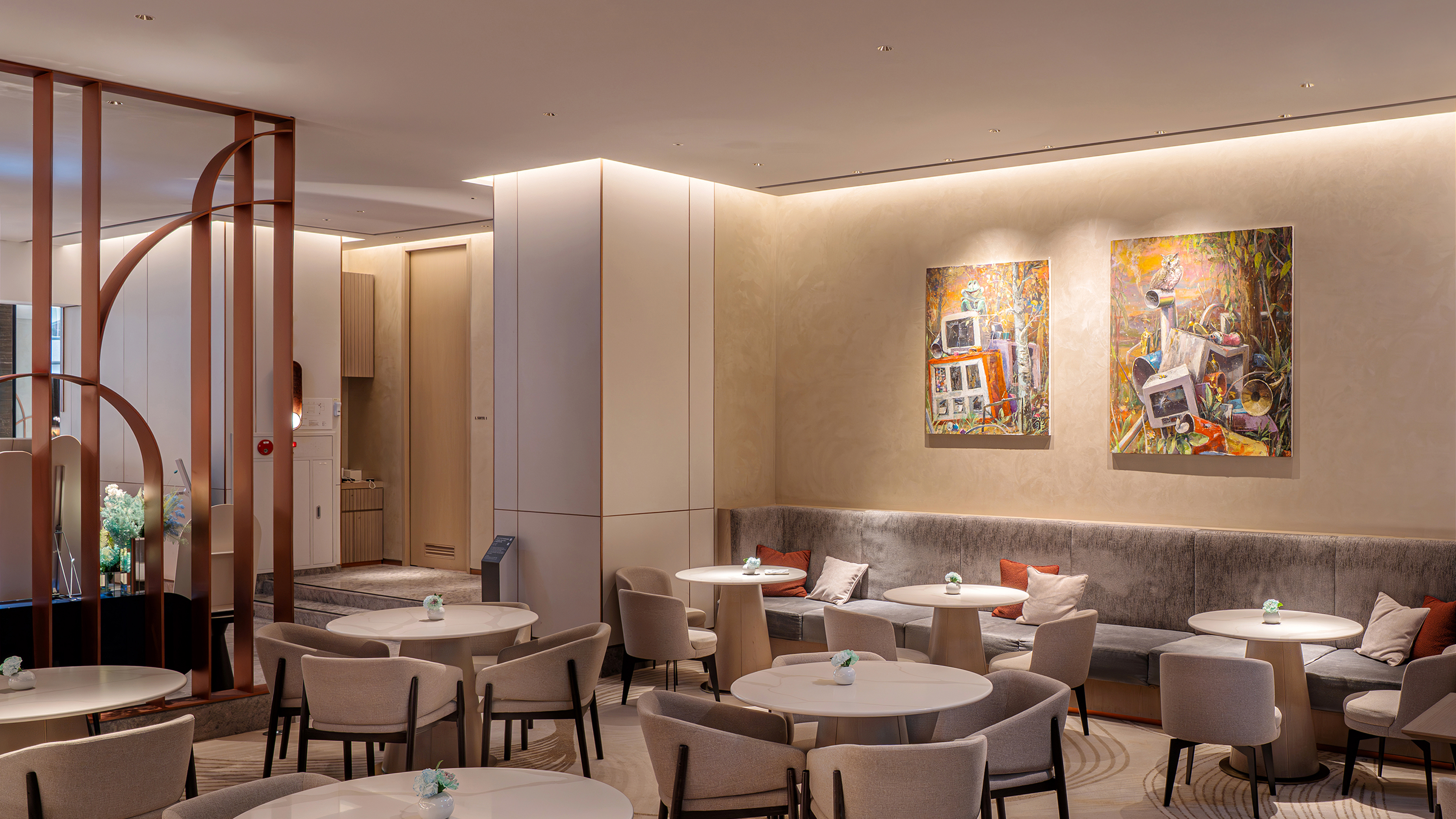
Dreiteiler (Three-Piece) / King of the Hill
FRITZ BORNSTÜCK2025.09.09 ~ 2025.12.04
Work Description
- Media Oil on canvas
- Location 1F, The Lounge & Bar, LOTTE HOTEL WORLD
Fritz Bornstück’s work explores the relationship between nature and human civilization, with animals such as owls, frogs, and raccoons playing significant symbolic roles. These creatures may represent the resilience and survival of nature, but they also convey deeper messages, potentially warnings the viewer of humanity’s atrocities. Bornstück frequently incorporates objects like old computers, abandoned suitcases, and worn-out refrigerators, which not only symbolize the remnants of human civilization but also carry personal significance as items from the artist's own past. Through these objects, he weaves a personal narrative, visually examining how human history and memory are embedded in the material world.
Art Inquiry 070-7739-8808
Art Inquiry 070-7739-8808
About the Artist
Fritz Bornstück constructs his artworks using discarded remnants of human civilization. Cigarette butts, weathered toys, empty bottles, and shattered lightbulbs undergo a process he aptly terms "cultural recycling." These apparently haphazard assortments of rubbish frequently coexist with nature in his compositions. Guided by the artist's deft brushwork, these abandoned objects discover fresh purpose in their existence, whether by nurturing new blossoms as they decay, or simply by being appreciated amidst their disorder. Bornstück draws inspiration from an expansive array of sources, ranging from artistic traditions like still life and landscape painting, to elements of popular culture, film, and even the contents of his neighbor's bins. In his observation and collection of fragments of humanity, the artist presents his gatherings with a blend of sincerity and irony, nonchalance and nostalgia, melancholy and hope.
FRITZ BORNSTÜCK (1982, German)
Lives and works in Berlin and Neuhardenberg)
Studied fine art at the UdK in Berlin with Prof. Leiko Ikemura
Meisterschüler of Thomas Zipp
Postgraduate Studies at De Ateliers, Amsterdam
Studied fine art at the UdK in Berlin with Prof. Leiko Ikemura
Meisterschüler of Thomas Zipp
Postgraduate Studies at De Ateliers, Amsterdam