Area Attractions


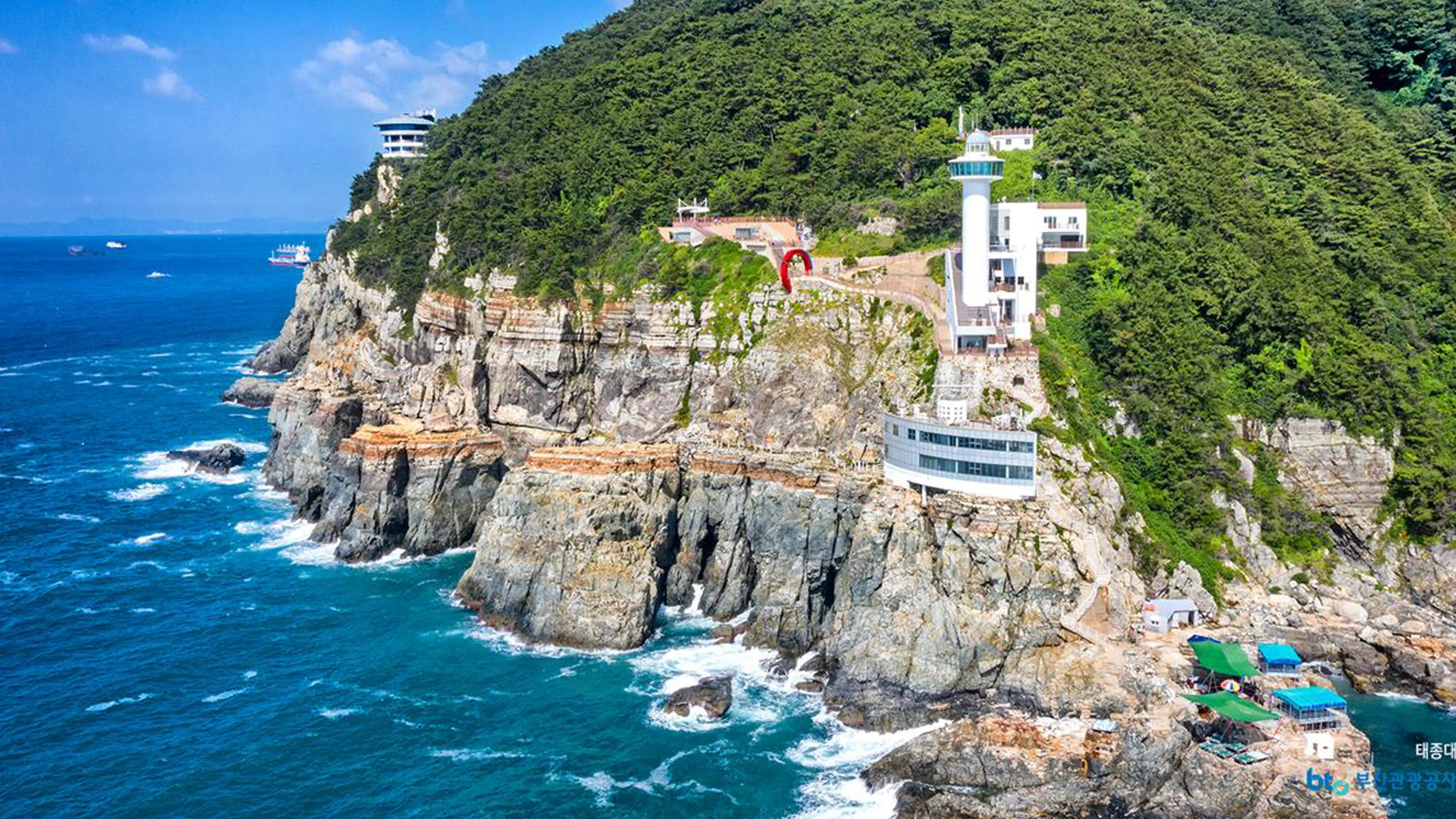
Taejongdae
Taejongdae Resort Park lies at the southernmost tip of Yeongdo,
about 9.1 km along the coast after crossing Busan Bridge.
Covering 1,632,809 m², it surrounds a peak rising 250 meters above sea level.
Its lush forests feature around 120 species of trees, including Japanese black pines.
The coastline boasts sheer cliffs and striking rock formations,
along with sweeping views of the Korea Strait.
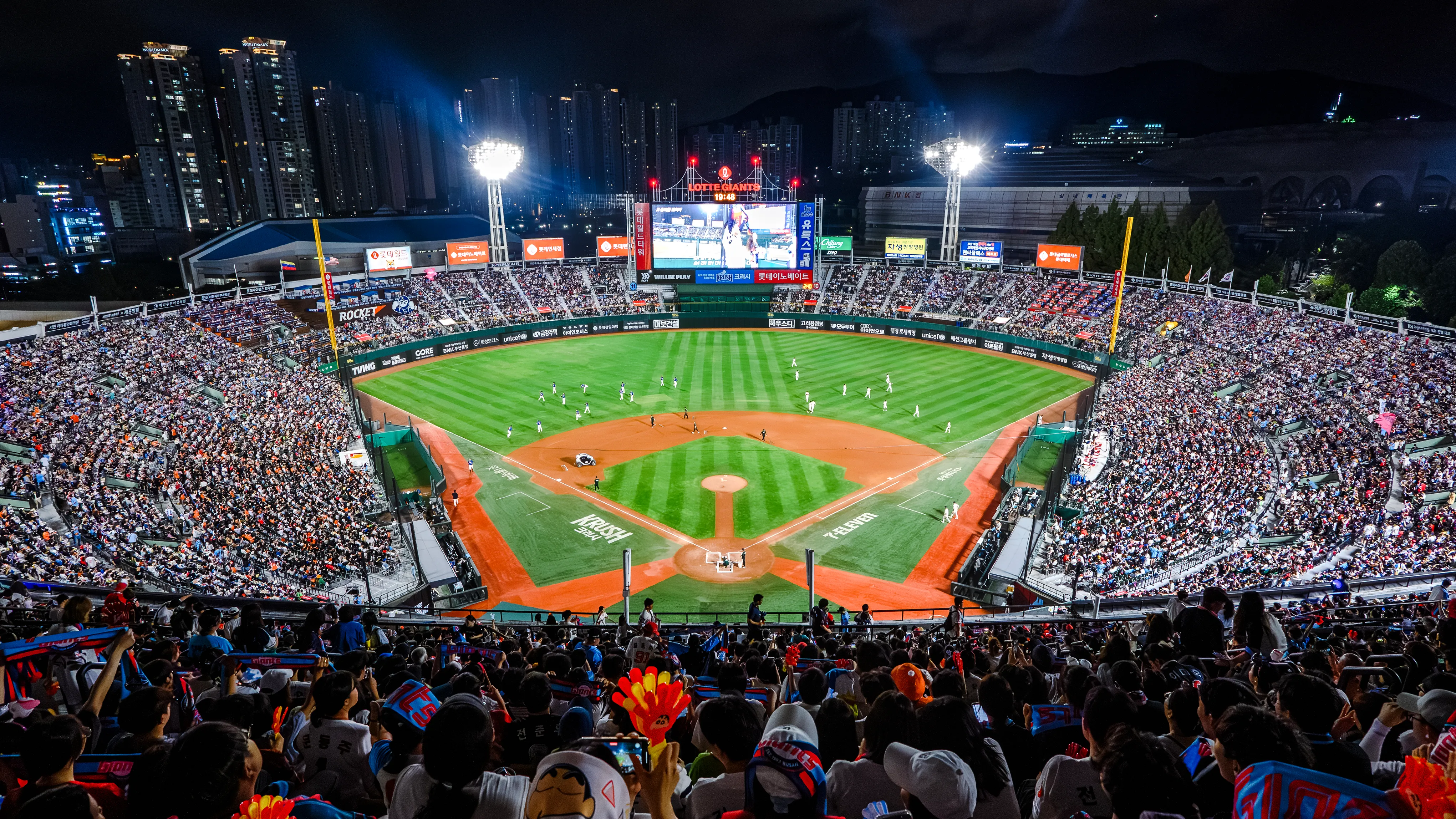
Sajik Baseball Stadium
Sajik Baseball Stadium is located in Sajik-dong, Dongnae-gu, Busan, South Korea.
Completed in October 1985, it has a seating capacity of 23,200.
The distances to the left- and right-field fences are 95 meters, while center field measures 118 meters.
The outfield fence is 4.8 meters high, including the wire mesh at the top.
Its exterior resembles that of Yokohama Stadium in Japan.
It was originally built as a multipurpose stadium,
designed to host baseball as well as other sports, including soccer and rugby.
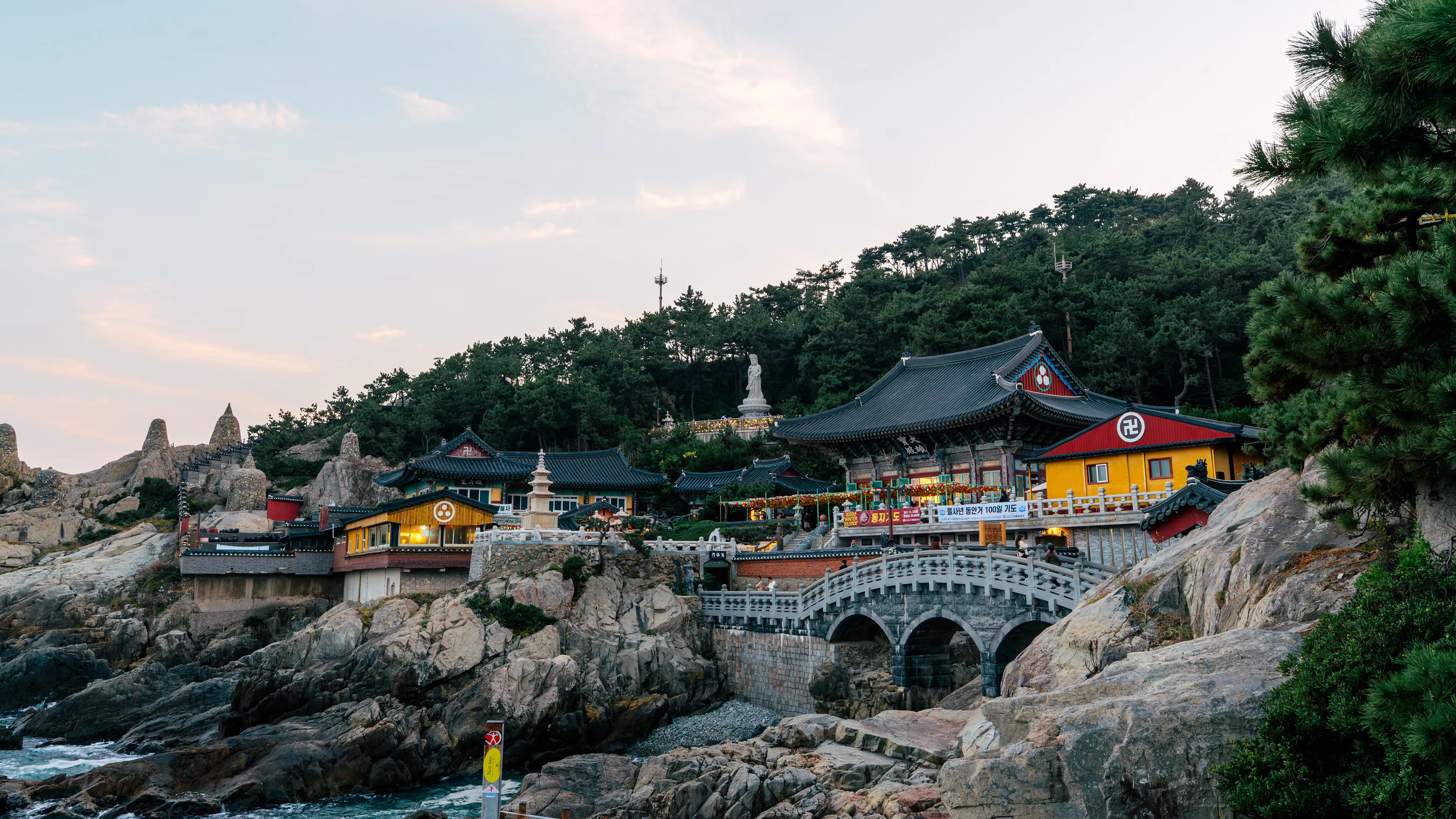
Haedong Yonggung temple
Haedong Yonggungsa Temple is located in Gijang County, Busan.
Perched on coastal cliffs, it is renowned for its scenic harmony with the sea.
It is one of Korea’s major sacred sites dedicated to Avalokiteshvara, the Bodhisattva of Compassion.
The temple is said to have been founded in 1376 during the Goryeo Dynasty by Master Naong,
and was originally known as Bomunsa Temple.
Destroyed during the Japanese invasions of Korea, it was rebuilt in the early 1930s by Monk Ungang.
In 1974, Monk Jeongam reportedly dreamed of Avalokiteshvara ascending to heaven on a dragon,
and subsequently renamed the temple Haedong Yonggungsa.
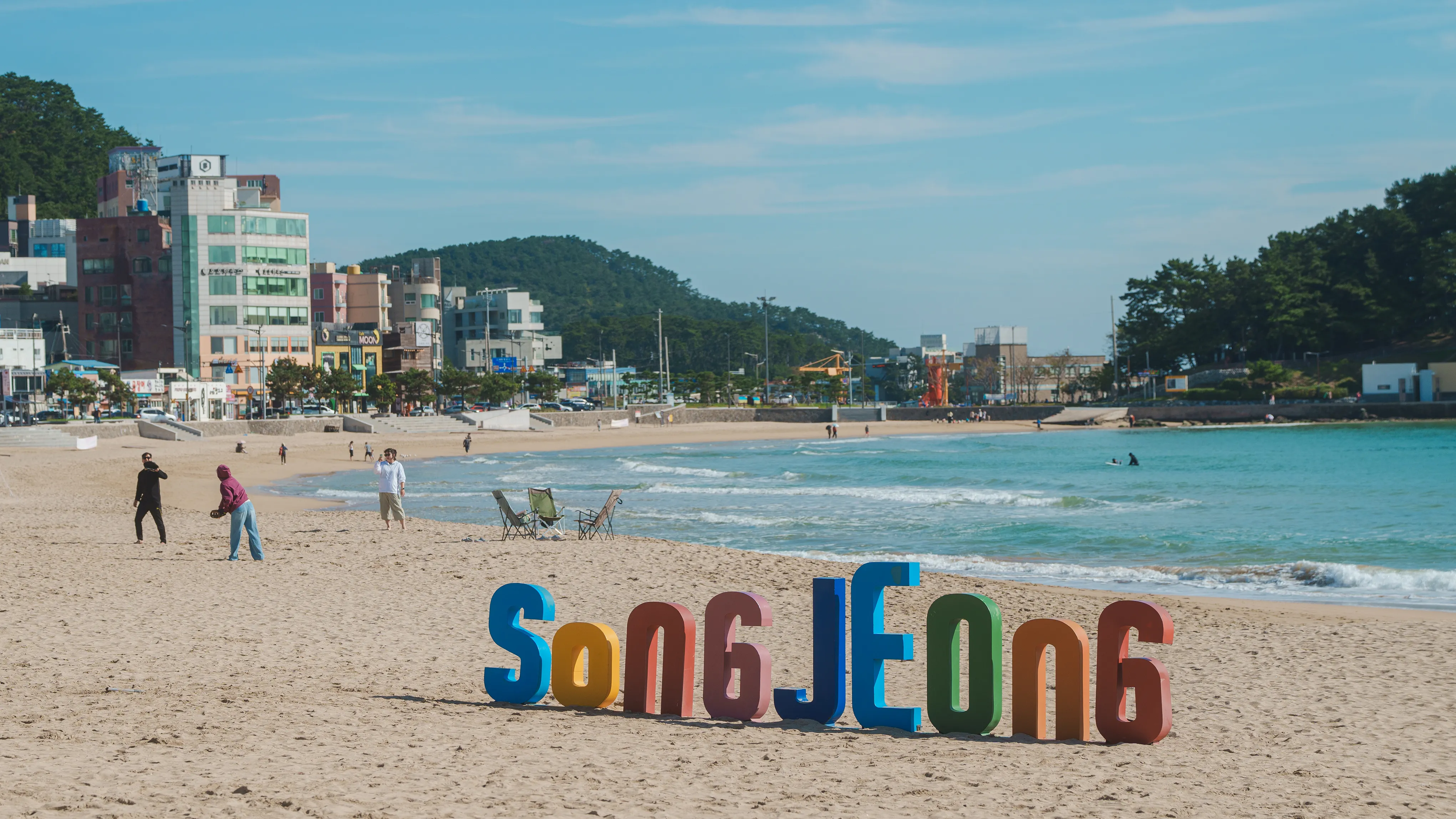
Songjeong Beach
Following Dalmaji Road past Haewoljeong Pavilion and the cherry blossom groves,
you will reach Songjeong Beach, where sweeping views of the sea unfold before you.
Preserving its natural beauty, Songjeong Beach first opened on July 9, 1965,
and opens each year from June 1 to August 31.
Its sandy beach stretches 1.2 km, measures 30–60 m in width,
and covers 54,000 m², accommodating approximately 100,000 people.
Numerous events are held here each year, including the Daeboreum Seaweed Festival,
the Songjeong Beach Festival, and the Songjeong Jukdo Cultural Festival.
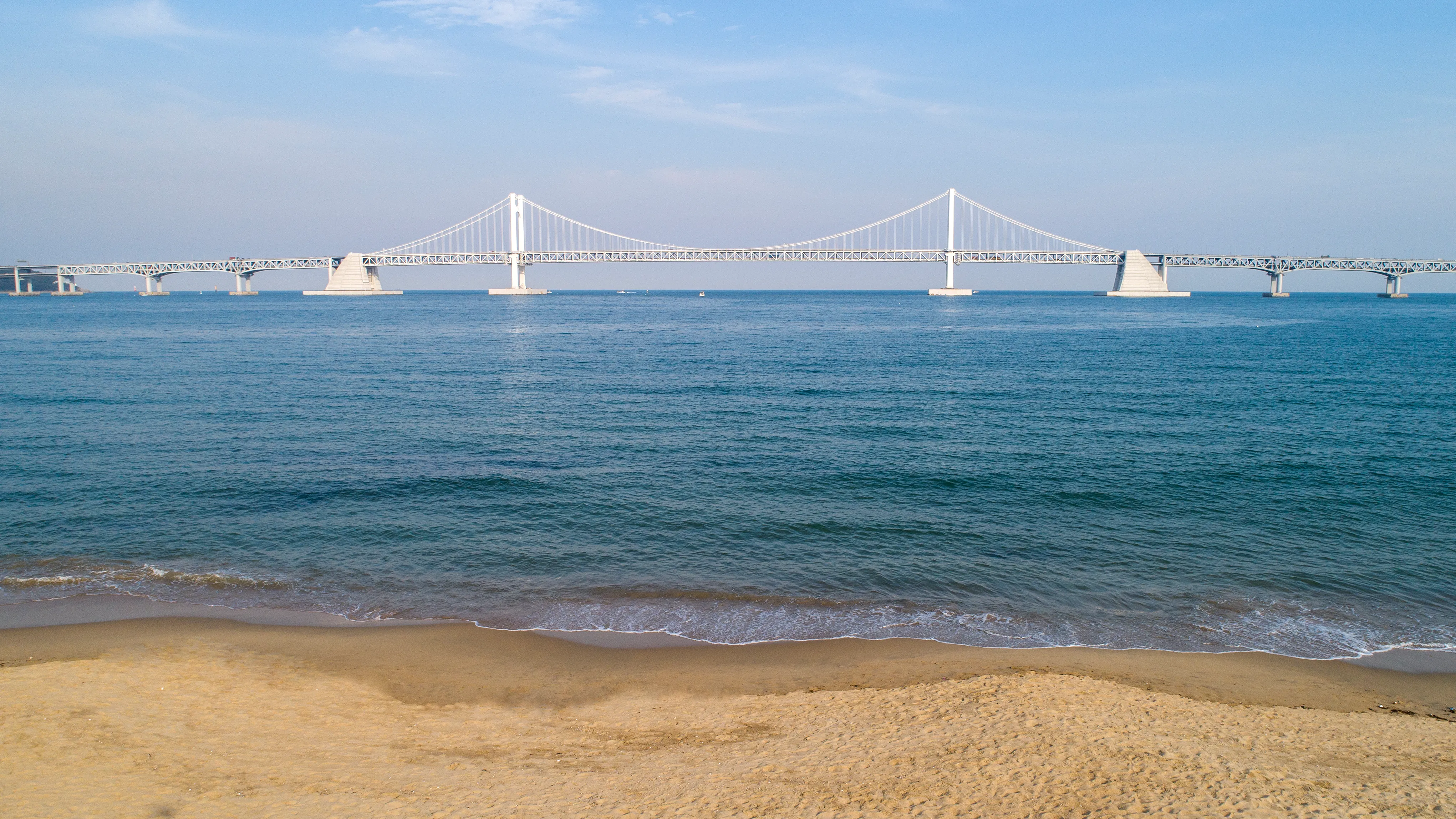
Gwangalli Beach
Gwangalli Beach is famous throughout Korea for its high-quality sand, which has washed down from Geumnyeonsan Mountain behind the beach, and for its beautifully curved, crescent-shaped shoreline.
The area around the beach offers a variety of restaurants, each with its own distinctive atmosphere. A permanent open-air stage hosts a wide range of performances year-round.
Nearby, you will also find Waterfront Park, Beach Park, a youth training center, and a marine leisure sports center. Visitors can enjoy various water sports, including banana boating and windsurfing.

Haeundae Beach
'Haeundae is the most popular beach in Busan. The beautiful white sand beach is more than 1.5 km long and between 30 and 50 meters wide.
The waters along this 58,400 ㎥ stretch are just 1 m deep on average,
and the calm waves make Haeundae the ideal beach destination. Buildings large and small as well as impressive high-end hotels line the sand,
creating the uniquely modern and sophisticated atmosphere of Haeundae.
The beach is a magnet for young people in the summer, and a popular year-round destination among tourists from all over the world.